
Jay Shetty is a former Vedic monk who spent three years training under Radhanath Swami in India before transitioning to become one of the world's most followed wellness influencers, with over 40 million social media followers. He is the author of "Think Like a Monk" and hosts the On Purpose podcast.
Related: our guide to the best ashwagandha →
His Jay Shetty daily routine is a unique synthesis of ancient monastic practice and modern performance science, documented across his books, podcast, and years of public interviews.
This article covers Shetty's complete day: his pre-dawn intention practice, daily meditation, adaptogen supplement stack, mindful movement, deep work structure, and his philosophy on disconnecting from technology. Every detail is sourced from the On Purpose podcast, Think Like a Monk, and his appearances across major media platforms.
What makes Shetty's routine distinctive is not the productivity metrics, but the integration of purpose into every element of his day. He does not optimize for output.
He optimizes for meaning, and argues that meaning-driven daily structure produces more sustainable output than any performance hack.
Wake-Up
Shetty wakes between 5:00 and 6:00 AM. His first rule is no phone for the first 30 minutes of the day.
He has explained this practice extensively on his podcast: the morning is the only time in a day when your attention has not yet been claimed by external demands, and surrendering it immediately to social media or news is a form of intentional self-limitation.
"The first thing monks are trained to do in the morning is set their intention. Not check their phone, not respond to someone else's agenda.
Set your own intention. That practice changed my entire life."
He spends his first waking minutes with slow breathing and a mental review of his intentions for the day, what he calls "monk mode morning," a practice he documented in Think Like a Monk and that has become one of his most widely shared teachings.
Visualization and Intention Setting
Before formal meditation, Shetty practices 10 minutes of visualization and intention setting. He reviews his current goals, visualizes the version of himself he is working toward, and identifies the single most meaningful action he can take that day.
"Visualization is not wishful thinking. It is mental rehearsal. When you visualize clearly, you are programming your reticular activating system to notice opportunities aligned with your goals."
This practice is informed by Shetty's monastic training, where intention-setting before any activity, from eating to study to service, was a foundational discipline. He argues that the gap between most people's goals and their daily behavior is not motivation but intention clarity.
20 MINUTES A 20 minute session in a suit that shocks you = 3 hours at the gym? The research, the suits, the studios and what it actually costs. Everything we know about EMS, in one place. SEE THE EVIDENCE →Daily Meditation
Shetty meditates for 20 to 30 minutes every morning. During his monk training, meditation was practiced for multiple hours daily.
His current 20-30 minute practice is a compressed version of the same foundational disciplines he learned in India.
"Meditation is not about emptying your mind. That is a myth.
Meditation is about training your relationship with your mind. You are learning to observe your thoughts rather than be controlled by them."
He uses breathwork, mantra, and visualization in his meditation depending on the day's demands. High-stress periods call for breathwork-heavy sessions.
Creative work days begin with more open awareness practices. He adapts the technique to the context rather than applying a single method rigidly.
Morning Movement
After meditation, Shetty practices yoga or light physical movement on his yoga mat for 20 to 30 minutes. This is not a performance workout.
It is a body-awareness practice designed to continue the integration of mind and body that begins with meditation.
"Movement in the morning is a way of waking up the body the same way meditation wakes up the mind. When both are awake and aligned, the rest of the day flows differently."
He has talked about yoga as the physical practice that mirrors his internal approach to life: the goal is not to perform the perfect pose but to develop the awareness and patience to meet yourself where you are each day.
Morning Adaptogens and Supplements
With his first meal, Shetty takes a carefully selected adaptogen stack. He leads with KSM-66 Ashwagandha, the form of ashwagandha with the most clinical evidence for cortisol reduction and sustained energy.
He pairs it with Rhodiola Rosea for mental performance during high-output creative and speaking work.
"Adaptogens are not stimulants. They don't give you an artificial energy spike.
They help your body respond to stress more intelligently. That is very different from pushing harder with caffeine."
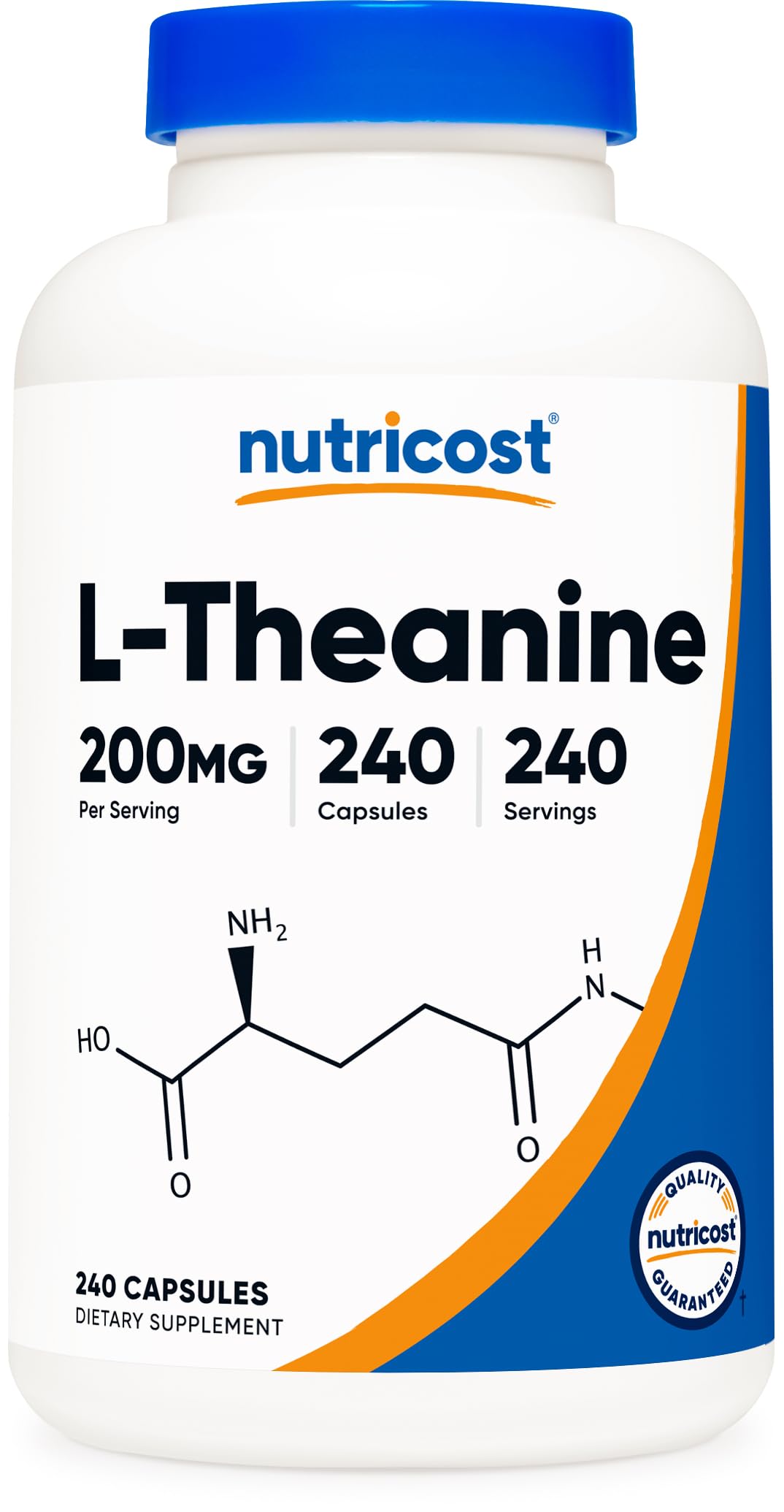
He takes AG1 as his nutritional foundation, uses L-Theanine with his morning coffee for focused calm rather than stimulated anxiety, and adds turmeric curcumin for systemic anti-inflammatory support.
Work Block
Shetty works in deep, focused blocks on podcast production, writing, and coaching. He is one of the world's most prolific podcast interviewers, having hosted guests including Kobe Bryant, Alicia Keys, and Matthew McConaughey.
His production schedule requires sustained creative focus, which his morning system is specifically designed to provide.
"The morning practice is not about the morning. It is about the entire day. When you start the day with intention, meditation, and movement, you carry a different quality of attention into everything you do."
Diet
Shetty eats a largely plant-based diet influenced by his Vedic training, which emphasizes foods that are easy to digest and energetically "light." He practices mindful eating, never eating rushed or distracted, and avoids eating after 7:00 PM most evenings.
"The way you eat affects the way you think. In monk training, we ate simply, slowly, and with gratitude. Those three things alone transform the relationship most people have with food."
Evening Routine
Shetty protects his evenings from social media. He takes his phone off notifications from 7:00 PM onward and spends evenings in conversation with his wife, reading, or in reflective journaling.
He practices a gratitude ritual before sleep: three things he is grateful for and one thing he could have done better.
"Gratitude is not a platitude. It is a neurological practice. When you consistently focus on what is working, your brain builds new pathways that make it easier to find the good in difficult situations."
He takes magnesium glycinate before bed, using it as part of a consistent wind-down ritual that signals to his nervous system that the high-output part of the day is complete.
The System
Jay Shetty's daily routine is the most explicitly purpose-oriented framework in the wellness space. Unlike routines that optimize for output or performance metrics, Shetty's system starts with meaning and works outward.
The meditation precedes the work because the quality of attention brought to work matters more than the volume of hours spent working.
The deeper lesson from Shetty's routine is that the inner environment shapes the outer output. His morning practice is not a productivity hack.
It is a daily act of deciding who he is before the world can tell him who to be. That clarity, established before the phone, before the meetings, before the external demands of his platform, is the foundation everything else is built on.
Explore Similar Routines
- Tony Robbins' Daily Routine — The priming practice and peak state protocols that complement Shetty's monk-trained morning system.
- Tim Ferriss' Daily Routine — Morning journaling, meditation, and evidence-based habit design from another wellness-performance synthesizer.
- Andrew Huberman's Daily Routine — The neuroscience of why Shetty's meditation and breathwork practices work.
- Rhonda Patrick's Daily Routine — Science-backed supplement protocols including the adaptogens and anti-inflammatories Shetty relies on.



Beyond his adaptogen foundation, Shetty layers a set of supportive supplements onto his largely plant-based diet, turmeric curcumin for systemic anti-inflammatory support, omega-3 fish oil for brain health and mood stability, and vitamin D3 in the morning for immune function across a demanding travel and content schedule.