Hannah Valeris is a longevity and mitochondrial health advocate known for sharing science-backed wellness protocols with her growing audience. Her focus is on mitochondrial function, the cellular energy production process that researchers now recognize as central to healthy aging, cognitive performance, and disease prevention. The Hannah Valeris daily routine mitochondrial health protocol reflects the cutting edge of what practitioners and researchers in this space are doing to optimize at the cellular level.
This article covers Valeris's full mitochondrial health protocol: morning light and red light therapy, cold exposure, Zone 2 cardio training, her supplement stack including CoQ10 and NAD+ precursors, and her sleep optimization practices. Each section explains the science behind the practice, not just what she does but why it works.
Her protocol draws on publicly available research in mitochondrial biology and aligns with what leading longevity practitioners, including researchers at institutions like the Buck Institute and Harvard Medical School, have published on cellular health optimization.
Wake-Up and Morning Light
Valeris begins her day with natural light exposure within the first 30 minutes of waking. Morning sunlight sets the circadian clock, which directly regulates mitochondrial function across the body's tissues.
Research shows that circadian misalignment impairs mitochondrial efficiency in the brain, liver, and muscle tissue. Getting light exposure early is one of the simplest and most impactful practices in her protocol.
Why Circadian Alignment Supports Mitochondria
Mitochondria have their own circadian rhythms. They are more efficient at producing ATP during certain times of day, and that timing is set by light exposure. A misaligned circadian clock reduces mitochondrial efficiency even if every other variable is optimized.
For Valeris, morning light is not just about sleep quality. It is the first mitochondrial input of the day.
Red Light Therapy
Red light therapy is central to Valeris's morning protocol. She uses a Joovv red light therapy panel for 10 to 20 minutes each morning, targeting the 630 to 850 nanometer wavelength range that research shows directly stimulates the mitochondrial enzyme cytochrome c oxidase.
"Red light therapy is one of the most direct tools we have for stimulating mitochondrial function. The research on photobiomodulation is growing every year, and the mechanism is well understood."
Cytochrome c oxidase is a key enzyme in the electron transport chain, the core machinery of mitochondrial energy production. When stimulated by red and near-infrared light, it produces ATP more efficiently and reduces oxidative stress as a byproduct.
Red Light Therapy Protocols for Mitochondrial Health
The research suggests that 10 to 20 minutes of daily exposure to a high-quality panel is sufficient for measurable mitochondrial benefits. Consistency matters more than duration.
Valeris uses the Joovv device because of its verified wavelength output and irradiance levels. Lower-quality panels often fail to deliver enough power density to produce a biological effect.
20 MINUTES A 20 minute session in a suit that shocks you = 3 hours at the gym? The research, the suits, the studios and what it actually costs. Everything we know about EMS, in one place. SEE THE EVIDENCE →Cold Exposure
Cold water immersion is one of the most powerful stimuli for mitochondrial biogenesis, the creation of new mitochondria. Valeris includes a cold plunge session in her daily protocol, typically in the morning after red light therapy.
"Cold exposure is one of the fastest ways to signal your body to build more mitochondria. It activates PGC-1 alpha, which is the master regulator of mitochondrial biogenesis."
PGC-1 alpha is a protein that activates the genes responsible for producing new mitochondria. Cold stress, like exercise stress, is one of the most reliable ways to activate it.
Cold Plunge Protocol
Valeris targets water temperatures between 50 and 60 degrees Fahrenheit (10 to 15 degrees Celsius) for sessions of 2 to 5 minutes. This range is sufficient to activate cold shock proteins and PGC-1 alpha without excessive physiological stress.
Consistency is more important than extremity. A daily moderate cold exposure produces greater mitochondrial adaptations over time than occasional extreme cold exposure.
Zone 2 Cardio Training
Zone 2 cardio is the most evidence-backed exercise modality for increasing mitochondrial density and efficiency. Valeris trains in Zone 2 for 45 to 60 minutes, four to five times per week, on a treadmill or stationary bike.
"Zone 2 is not about burning calories. It is about training your mitochondria to oxidize fat more efficiently and increasing their total number in your muscle tissue."
Zone 2 is defined as the exercise intensity where you can hold a conversation but feel challenged. Heart rate typically falls between 60 and 70 percent of maximum. At this intensity, the body preferentially uses fat oxidation through mitochondrial pathways rather than glycolytic (sugar-burning) pathways.
Why Zone 2 Is the Foundation of Mitochondrial Fitness
Research from Dr. Iñigo San Millán at the University of Colorado and Dr. Peter Attia has established Zone 2 training as the primary driver of mitochondrial density in skeletal muscle. More mitochondria means more efficient energy production, better endurance, lower blood sugar, and stronger metabolic health.
Valeris treats Zone 2 as the irreplaceable base of her exercise protocol. High-intensity work builds on top of it, but Zone 2 is the foundation.
Morning Supplements: CoQ10 and NAD+
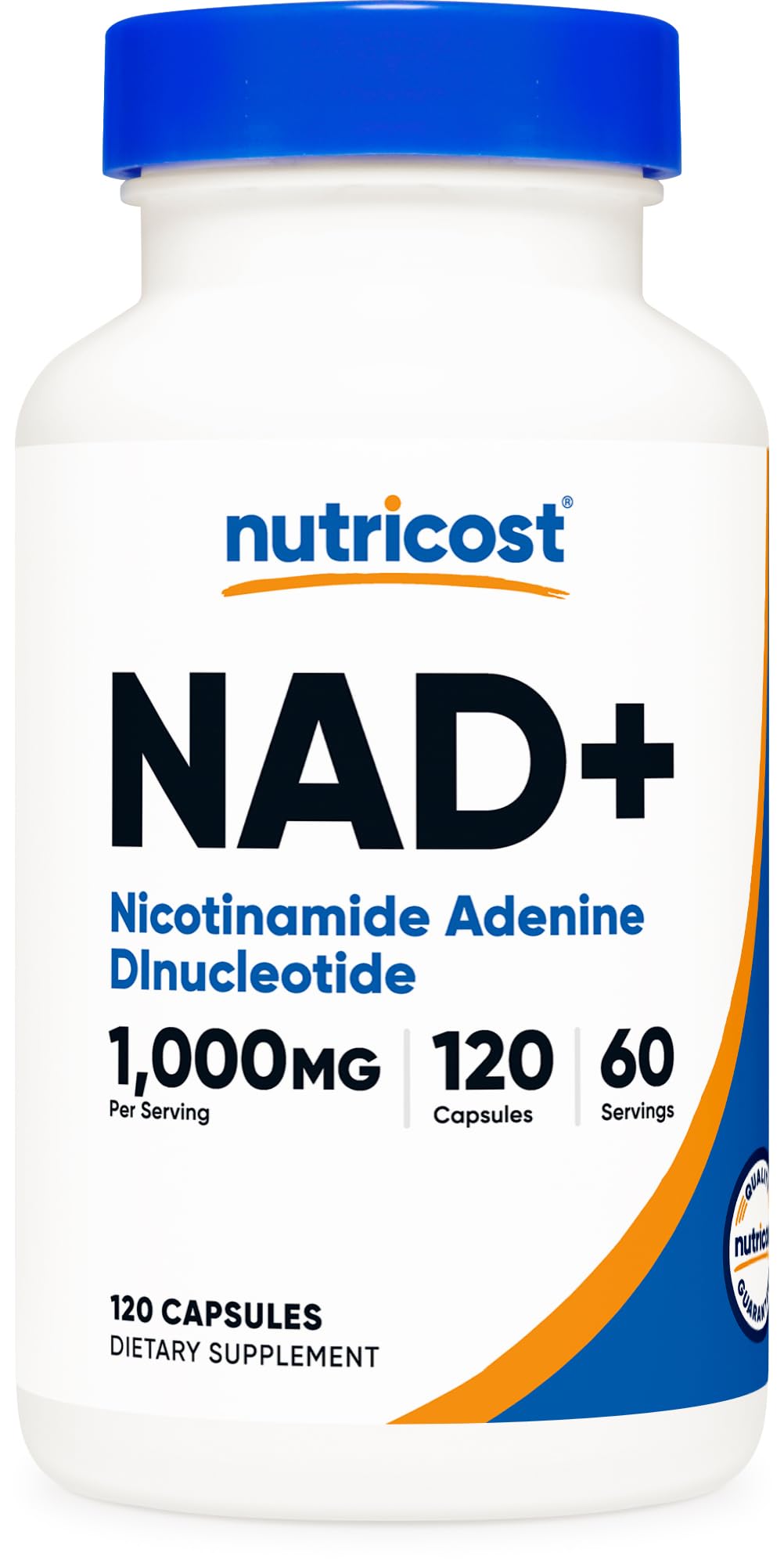
Valeris takes her core mitochondrial supplements in the morning with food. The two anchors are Thorne Ubiquinol (the active form of CoQ10) and Tru Niagen (a nicotinamide riboside supplement that raises NAD+ levels).
Both supplements address the most documented mitochondrial nutrient depletions that occur with aging. CoQ10 is essential for electron transport chain function. NAD+ is essential for the sirtuin enzymes that regulate mitochondrial quality control.
CoQ10: The Mitochondrial Fuel Carrier
CoQ10 is not optional for mitochondrial function; it is a required component of the electron transport chain. Without adequate CoQ10, the chain cannot produce ATP efficiently regardless of how good the rest of the protocol is.
Ubiquinol is the reduced, active form of CoQ10. It absorbs significantly better than ubiquinone, especially in individuals over 40, which is why Valeris uses Thorne's ubiquinol formulation rather than standard CoQ10.
NAD+: The Longevity Molecule
NAD+ levels decline by roughly 50 percent between age 40 and 60, impairing the sirtuin enzymes that regulate mitochondrial repair, DNA damage response, and cellular stress resistance. Nicotinamide riboside (NR), the active ingredient in Tru Niagen, is the most clinically studied NAD+ precursor.
Valeris takes NR in the morning because NAD+ is a cofactor in hundreds of enzymatic reactions that run throughout the day. Replenishing it at the start of the day ensures those reactions have adequate substrate to work with.
Diet for Mitochondrial Health
Valeris follows an anti-inflammatory whole foods diet centered on vegetables, quality proteins, healthy fats, and minimal processed carbohydrates. Each choice is made to minimize reactive oxygen species (ROS) production, the oxidative byproducts that damage mitochondrial membranes over time.
She prioritizes foods rich in polyphenols, including berries, olive oil, and green tea. Polyphenols activate the same sirtuins and AMPK pathways targeted by her supplement stack, creating a food-first layer of mitochondrial support.
Eating Windows and Metabolic Flexibility
Valeris uses a moderate eating window of roughly 8 to 10 hours, allowing a nightly fast that supports mitochondrial autophagy, the process by which damaged mitochondria are cleared and recycled. This is not extreme fasting; it is timed eating to align with circadian-regulated metabolic peaks.
Metabolic flexibility, the ability to switch between fat and glucose burning efficiently, is a direct marker of mitochondrial health. Her Zone 2 training and diet work together to build it.
Sleep Optimization
Valeris treats sleep as the most powerful mitochondrial recovery tool available. The majority of mitochondrial repair and autophagy occurs during deep sleep, making sleep quality non-negotiable in her protocol.
She maintains a consistent sleep and wake schedule seven days a week. Circadian consistency is as important as total sleep duration for mitochondrial repair cycles, which are timed to the body's internal clock.
Sleep Environment Protocol
Valeris keeps her sleep environment cool (around 65 to 67 degrees Fahrenheit), dark, and free from blue light in the two hours before bed. These conditions support melatonin production, which is itself a mitochondrial antioxidant.
She avoids screens before bed and uses red light in the evening instead of overhead lighting. This extends the beneficial photobiomodulation of her morning red light session and reduces circadian-disrupting blue light exposure at night.
The System
Hannah Valeris's routine is built on one foundational insight: mitochondria are not just energy producers, they are the master regulators of how well every cell in your body functions and ages. Her entire protocol, from morning light to evening wind-down, is designed to support, protect, and multiply mitochondrial capacity.
The practices she uses, red light therapy, cold exposure, Zone 2 cardio, CoQ10, and NAD+ supplementation, are individually well-studied. What makes Valeris's approach useful is that she has assembled them into a coherent daily system. If you implement even three of these practices consistently, the research suggests you will see measurable improvements in energy, cognitive function, and metabolic health within weeks.
Explore Similar Routines
Beyond the supplement anchors, Valeris's protocol leans on daily inputs that signal the mitochondria directly, morning light within 30 minutes of waking, red light therapy at 630-850nm, a cold plunge to trigger PGC-1 alpha and mitochondrial biogenesis, and a polyphenol-rich anti-inflammatory diet inside an 8-10 hour eating window.