
Michael Phelps is the most decorated Olympian in history with 28 Olympic medals, 23 of them gold, across four Olympic Games from 2000 to 2016. He holds or has held world records in seven individual events and is widely regarded as the greatest swimmer who has ever lived.
His Michael Phelps daily routine during his competitive peak was built around an unprecedented training volume that most athletes could not sustain for a week, let alone a career spanning nearly two decades.
This article covers Phelps' complete system: his legendary training schedule, the 12,000-calorie diet that fueled it, recovery protocols that allowed back-to-back high-volume training days, supplement stack, and the mental health practices he has made public since his 2016 retirement. Every detail is sourced from his autobiography "No Limits," Bob Bowman's coaching accounts, Sports Illustrated features, and his interviews with Michael Strahan and the Today show.
What sets Phelps apart from other elite athlete profiles is the sheer volume of inputs required to produce his outputs. His routine is not about optimization in the marginal sense.
It is about building a body capable of sustaining workloads that have no parallel in competitive sport, and the recovery infrastructure that made daily 50-kilometer training swims physiologically possible.
Wake-Up and Morning Training
During his competitive years, Phelps woke at 5:30 AM for the first of his two daily pool sessions. His morning practice with coach Bob Bowman at the North Baltimore Aquatic Club ran from approximately 6:00 AM to 8:30 AM, covering roughly 8,000 to 10,000 meters of structured swim work.
"Bob had a simple rule: if you miss a day, you lose what your competitors haven't lost. We trained 365 days a year, including Christmas and Thanksgiving.
That edge accumulates. A year of daily training is 52 days more than someone training six days a week."
He took his morning supplements, including Vitamin C and multivitamin, before the first session. The training load required nutritional support from the first waking hour, not just post-workout.
The 12,000-Calorie Diet
Phelps' diet during his Olympic peak was reported to reach 12,000 calories per day, a figure that became one of the most discussed facts about any athlete in Olympic history. The reality is that his caloric intake varied with training load, but the volume was genuinely extreme by any standard, reflecting the energy cost of five hours of high-intensity aquatic training daily.
"People always ask about the 12,000 calories. It was not always that number but when you are training that hard, your body needs fuel.
If you don't eat enough, you can't train. It is that simple."
His diet centered on high-protein, high-carbohydrate foods: pasta, rice, sandwiches, eggs, and large volumes of fruit. He took a whey protein shake after each session to accelerate muscle protein synthesis during the brief window between morning and afternoon practices.
20 MINUTES A 20 minute session in a suit that shocks you = 3 hours at the gym? The research, the suits, the studios and what it actually costs. Everything we know about EMS, in one place. SEE THE EVIDENCE →Afternoon Training
After a recovery meal and rest period, Phelps returned to the pool for his afternoon session, typically from 3:00 PM to 5:30 PM. This session often focused on different strokes or event-specific work from the morning's volume training, combining technical refinement with continued distance accumulation.
"The second practice was often harder than the first. You are already tired, your body wants to stop, and that is exactly when the training matters most.
Winning races is easy. Getting through the second practice every day for twenty years is the hard part."
Peak Training Week
| Session | Distance/Focus | Duration |
|---|---|---|
| Morning (6 days/week) | 8,000-10,000 meters, endurance sets | 2.5-3 hrs |
| Afternoon (6 days/week) | 6,000-8,000 meters, event-specific | 2-2.5 hrs |
| Dryland (3x/week) | Strength and conditioning | 45-60 min |
| Sunday | Active recovery or light swim | 60 min |
Recovery Protocol
Recovery was not optional in Phelps' training system. It was the mechanism that made the next day's training possible.
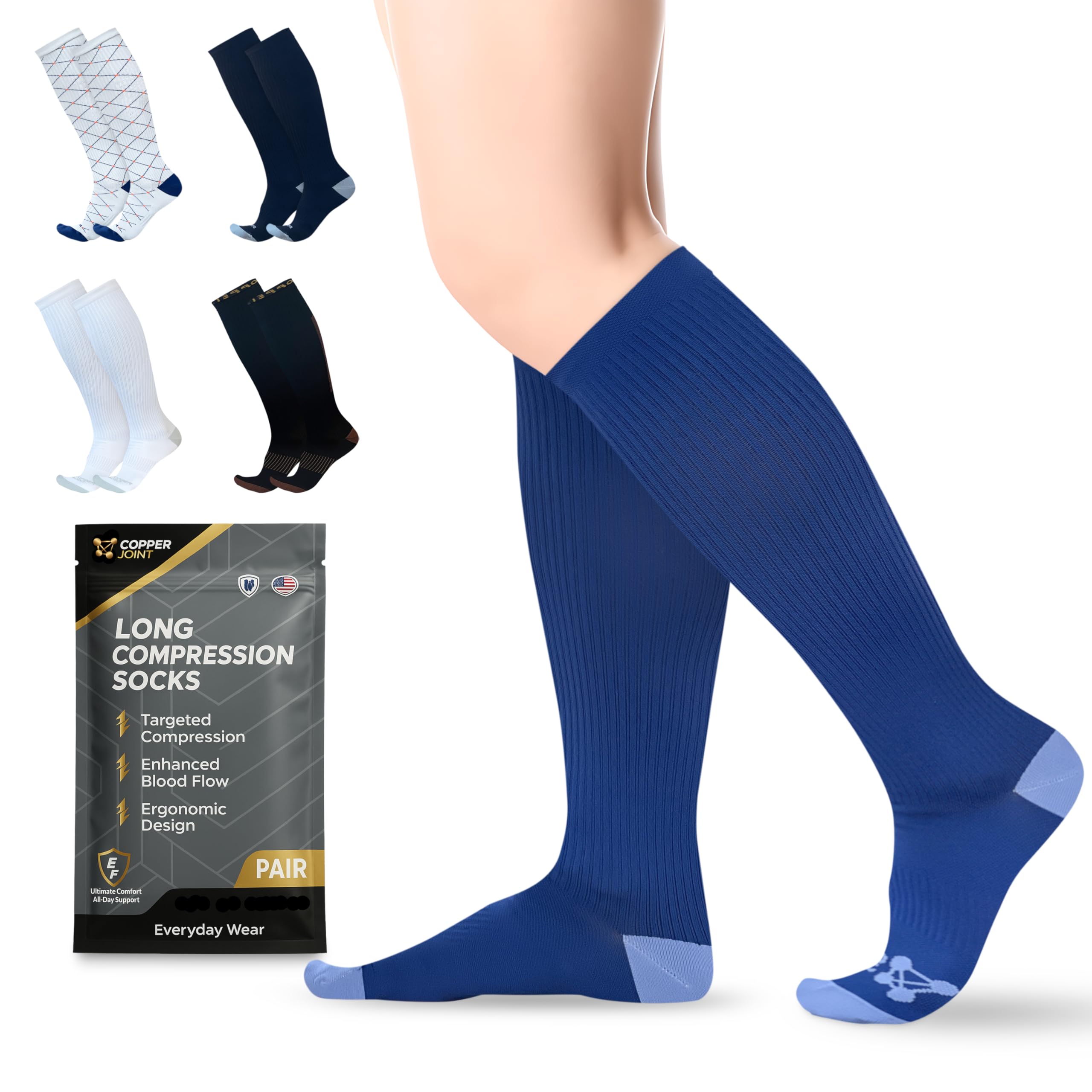
His protocol included ice baths and contrast therapy after demanding sessions, regular massage therapy, and the use of compression gear during the hours between morning and afternoon practices.
"Bob always said recovery is training. If you don't recover correctly, you don't get the adaptation from the session you just did.
The ice bath is not punishment. It is part of the training."
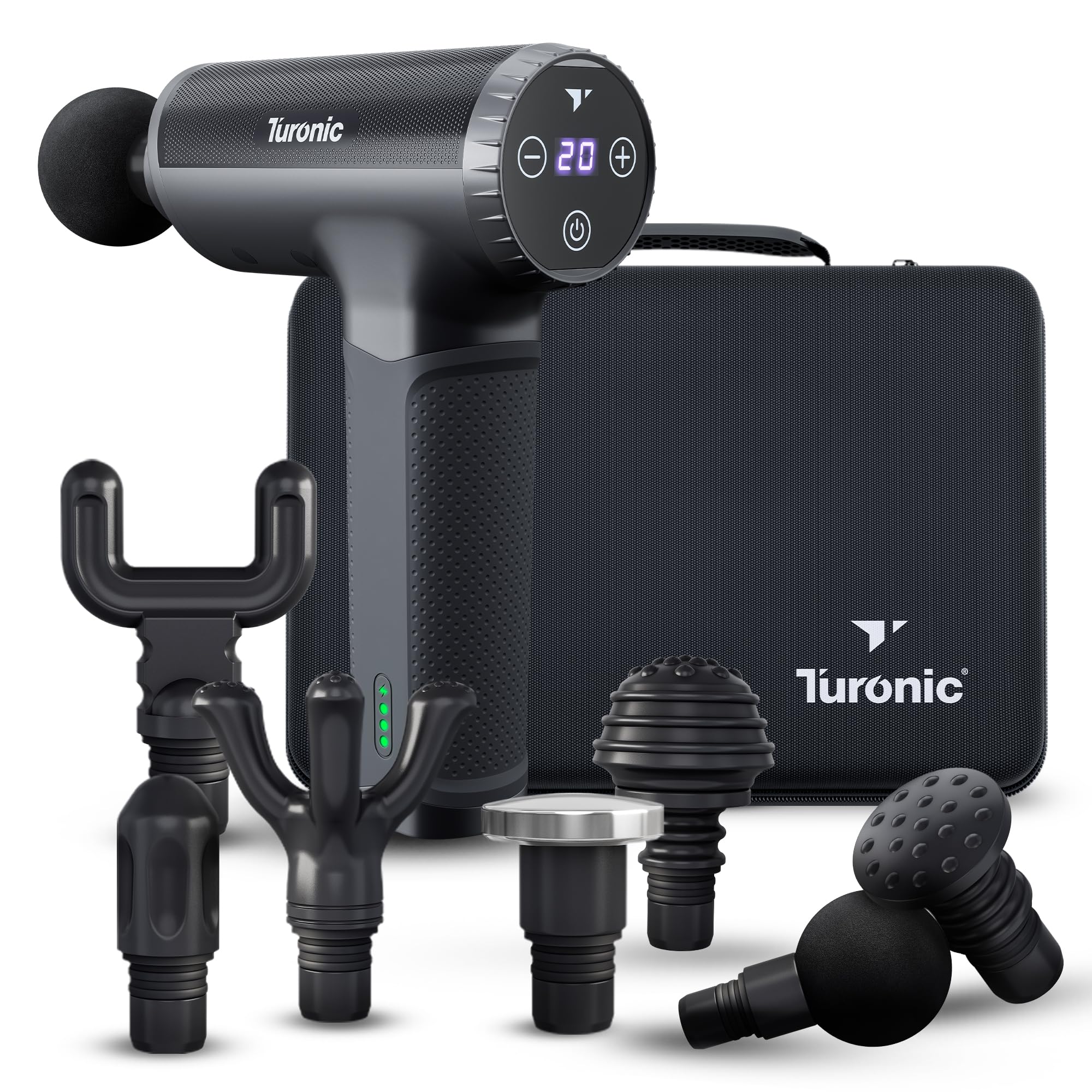
He used a massage gun for shoulder and back maintenance, targeting the rotator cuff and lat muscles that bear the highest load in butterfly and freestyle. Phelps has discussed shoulder health as the primary structural constraint in elite swimming careers.
Sleep
Phelps slept eight to ten hours per night during peak training, and has discussed how sleep was treated as seriously as any other element of his preparation. He wore an eye mask to block light and maintained a consistent sleep schedule that aligned with his training times.
"Sleep was the most important recovery tool I had. Eight hours minimum.
When I was really deep in training, I would sleep ten hours at night and nap between sessions. Your body repairs itself when you sleep.
There is no shortcut."
He takes magnesium glycinate before bed for sleep depth and muscle relaxation, and has continued this practice post-retirement as part of his mental health and sleep quality maintenance.
Post-Retirement Routine and Mental Health
Since retiring in 2016, Phelps has become one of the most prominent advocates for athlete mental health, publicly discussing his struggles with depression and suicidal ideation during and after his competitive career. His current routine is built around the mental health practices he has credited with saving his life: therapy, daily exercise, and deliberate stress management.
"I put all my eggs in one basket. Swimming was everything.
When swimming ended, I didn't know who I was. Working through that took years.
The most important thing I do now is protect my mental health the same way I used to protect my physical performance."
He trains daily through golf, gym work, and recreational swimming. He maintains his Omega-3 and creatine supplementation for brain health and physical performance maintenance.
The System
Michael Phelps' training system is the most extreme volume-based performance framework ever documented in competitive swimming. Every element exists to answer one question: how do you sustain five hours of high-intensity water training every day for twenty years without breaking down?
The answer is the full system working together, not any single element.
The principle that runs through everything is that recovery capacity determines training capacity. Phelps did not win 23 gold medals because he swam harder than anyone else on any given day.
He won because his recovery system allowed him to train harder than anyone else on every single day, year after year, building a cumulative adaptation that no one else could match.
Explore Similar Routines
- Cristiano Ronaldo's Daily Routine — Elite athletic longevity through deliberate recovery and physical optimization over decades.
- Dwayne Johnson's Daily Routine — High-volume physical training and the nutrition system required to fuel it.
- Mark Wahlberg's Daily Routine — Extreme morning training discipline and high-protein nutrition for peak physical maintenance.
- Dana White's Daily Routine — Recovery protocols and high-intensity training from a figure who made physical performance non-negotiable.
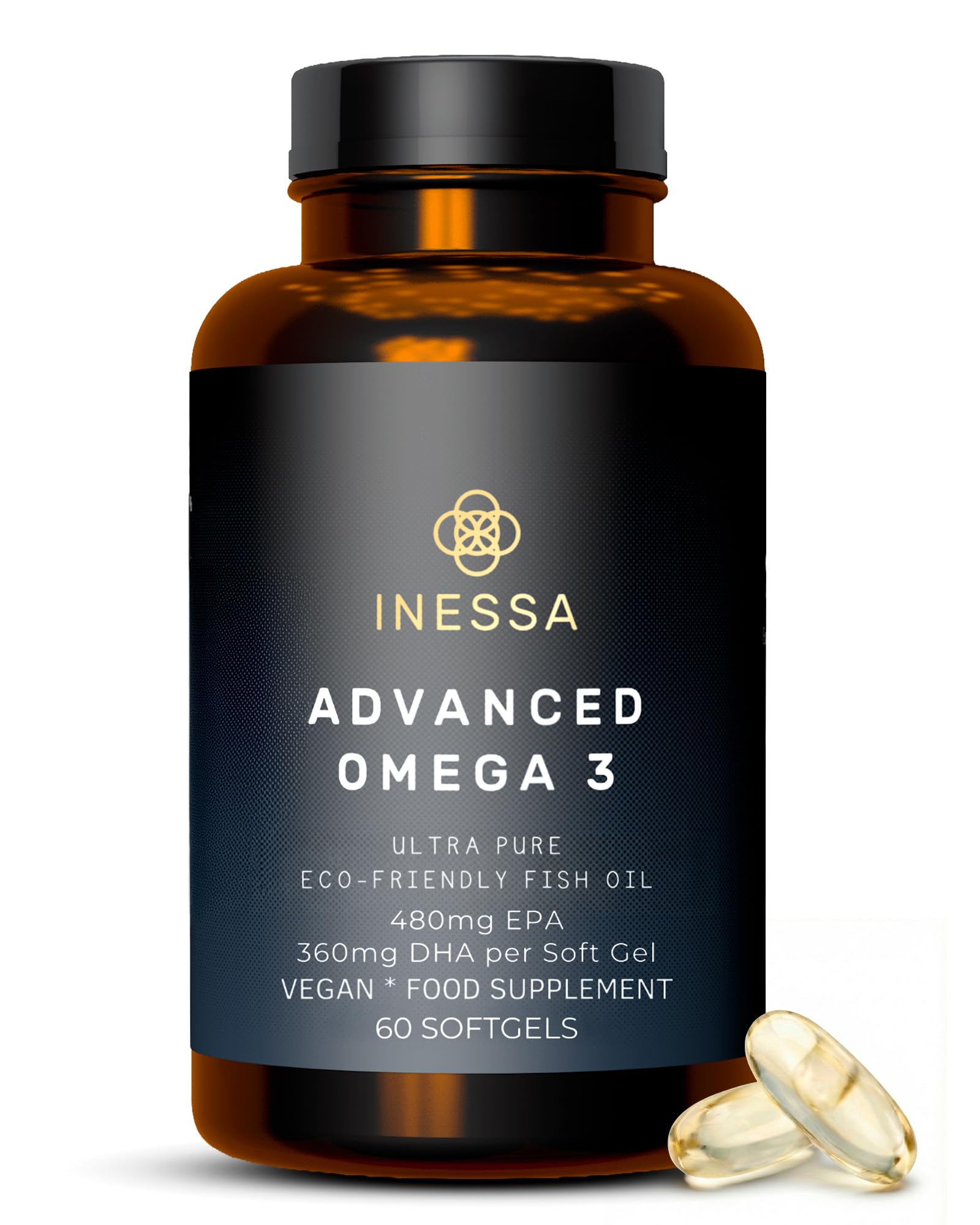
Beyond protein and creatine, Phelps leaned on a foundation of daily micronutrient and recovery support to survive five hours of high-intensity training a day, vitamin C and a multivitamin before the morning session, vitamin D3 for bone and immune health, electrolytes through five-hour pool days, and magnesium glycinate before bed for sleep depth and muscle relaxation.