Dr. Andrew Huberman is a neuroscientist, professor at Stanford School of Medicine, and the host of the Huberman Lab podcast. His Andrew Huberman daily routine has become one of the most studied self-optimization frameworks in the world, blending rigorous neuroscience with practical, repeatable habits.
This article covers Huberman's full day: his precise wake-up protocol, morning sunlight practice, cold exposure, workout split, supplement stack, and wind-down routine. Every detail is sourced from episodes of the Huberman Lab podcast and his public interviews.
Huberman is unusually transparent about his protocols. He documents the science behind each habit and invites listeners to test them. That transparency is exactly what makes his routine worth studying.
Wake-Up
Huberman wakes up between 6:00 and 6:30 AM without an alarm whenever possible. He avoids looking at his phone immediately and instead moves directly toward natural light.
"I try to get outside within the first 30 to 60 minutes of waking. I don't wear sunglasses for this. I want that light hitting my eyes directly."
This early light exposure sets his circadian clock for the day. The retinal cells that control the circadian rhythm, called intrinsically photosensitive retinal ganglion cells, need bright natural light in the morning to calibrate the body's internal schedule.
Why Morning Light Matters
Morning sunlight triggers a cortisol pulse that sharpens alertness and sets a timer for melatonin release about 14 to 16 hours later. Huberman calls this "the single most important thing you can do for your sleep." Getting outside, even on a cloudy day, provides far more light intensity than any indoor light source.
Morning Hydration
Before eating, Huberman drinks water with LMNT electrolytes or a pinch of sea salt. He delays caffeine for 90 to 120 minutes after waking to allow adenosine to clear naturally.
"If you drink caffeine first thing in the morning, you crash later. Wait 90 to 120 minutes. Let adenosine clear. Then caffeine works far better."
Adenosine is the molecule that builds up in the brain during waking hours and causes sleepiness. Delaying caffeine until after the initial adenosine clearance prevents the mid-afternoon energy crash most people experience.
Morning Sunlight and Light Exposure
After hydrating, Huberman goes outside for a 10 to 30 minute walk. He views sunlight directly, without sunglasses, and moves his body at the same time.
"Morning sunlight is the most powerful zeitgeber we have. It tells every cell in your body what time it is."
A zeitgeber is a time-giver, an environmental cue that synchronizes biological clocks. Morning light is the strongest natural zeitgeber available to humans. Huberman pairs the walk with optic flow, the visual sensation of moving through space, which he says reduces activity in the amygdala and lowers baseline anxiety.
On Alternative Lighting
On overcast days or in winter, Huberman uses a bright light therapy lamp indoors as a supplement. He recommends 10,000 lux placed about a foot from the face for 10 to 20 minutes. He notes this is inferior to real sunlight but far better than nothing.
AG1 and Morning Supplements
Huberman takes AG1 first thing, mixed in water, before his first meal. He uses it as a nutritional insurance policy, not as a replacement for whole food nutrition.
"I've been taking AG1 for over a decade. It covers my micronutrient bases and gives me some adaptogens in the morning. It's not magic, it's just a solid foundation."
AG1 contains vitamins, minerals, probiotics, and adaptogens in a single powder. Huberman pairs it with Momentous Omega-3, taking 2 to 4 grams of EPA and DHA daily. He cites omega-3s as among the most consistently supported supplements in the published literature.
Cold Exposure
Huberman does cold water immersion 3 to 4 times per week, typically in the morning. He uses a cold plunge set to 45 to 60 degrees Fahrenheit and stays in for 2 to 4 minutes per session.
"Cold exposure is the single best non-pharmacological way to increase dopamine baseline. Not a spike, a sustained elevation. That changes everything about your mood and drive."
Research shows that deliberate cold exposure causes a significant and sustained increase in dopamine, up to 250% above baseline. It also spikes norepinephrine, which sharpens focus and mood. Huberman does this after his morning workout, not before, to avoid blunting the heat shock protein response from training.
Cold Exposure Protocols by Goal
For dopamine and mood: 2 to 4 minutes at 45 to 55 degrees Fahrenheit, 3 to 4 times per week. For mental resilience: stay in until the urge to get out passes, then stay 30 more seconds. Huberman emphasizes that the discomfort itself is the training stimulus.
Red Light Therapy
Huberman uses a Red Light Panel in the morning for 10 to 20 minutes. He stands in front of it while handling low-cognitive tasks like reading emails or listening to a podcast.
"Red light in the morning activates mitochondria in the eyes and skin. There's solid data on testosterone and energy. I do it every morning I'm home."
Red and near-infrared light penetrates tissue and stimulates mitochondria to produce more ATP. Studies suggest it can support testosterone production, improve skin quality, and reduce inflammation. Huberman also uses the panel in the evening before bed to promote melatonin through the reduction of blue light exposure.
Workout Routine
Huberman trains 6 days per week using a resistance training and cardiovascular split he calls a "foundational fitness protocol." He trains fasted or in a low-fed state and schedules resistance training in the morning.
"The goal of my resistance training is hypertrophy and strength. The goal of my cardio is cardiovascular health and longevity. I treat them as separate things."
Weekly Schedule
| Day | Training Focus |
|---|---|
| Monday | Legs (quadriceps focus) |
| Tuesday | Heat/cold cycling, recovery |
| Wednesday | Torso (push/pull) |
| Thursday | Cardiovascular (zone 2, 30-60 min) |
| Friday | Legs (hamstring/glute focus) |
| Saturday | High-intensity interval training |
| Sunday | Rest or long walk |
Why Huberman Trains in the Morning
Huberman notes that training within 3 hours of waking capitalizes on the naturally elevated cortisol and epinephrine of early morning. This neurochemical environment supports strength output and focus. He avoids training late at night because it delays melatonin onset.
Morning Caffeine
At 90 to 120 minutes after waking, Huberman drinks yerba mate or black coffee. He typically consumes 200 to 400 mg of caffeine spread across the morning, stopping before noon to protect sleep.
"I love yerba mate. It has caffeine, theobromine, and GLP-1 effects. It's a different kind of stimulation than coffee. Cleaner for me personally."
Theobromine in yerba mate provides a longer-lasting, smoother energy curve than caffeine alone. Huberman cuts all caffeine by noon to ensure it clears from his system before his target sleep time of 10 to 11 PM.
First Meal
Huberman typically eats his first meal between 11 AM and 1 PM, completing a 16 to 18 hour fast from the previous evening. His first meal is high in protein and moderate in fat, with limited simple carbohydrates.
"I eat mostly whole foods. High protein. Some starchy carbohydrates in the evening. I'm not dogmatic about any one diet."
Typical first meal choices include eggs, meat, or fish with vegetables. He emphasizes protein for muscle protein synthesis, targeting 1 gram per pound of bodyweight daily. Huberman avoids processed foods and minimizes alcohol, which he discusses as damaging to the microbiome and sleep architecture.
Non-Sleep Deep Rest (NSDR)
Huberman practices Non-Sleep Deep Rest, also called yoga nidra, for 10 to 30 minutes most afternoons. He considers NSDR one of the highest-leverage tools in his entire routine.
"NSDR is the single best tool I know to restore mental and physical vigor during the day without disrupting nighttime sleep. I do it almost every day."
NSDR is a body-scan relaxation protocol that shifts the nervous system from sympathetic to parasympathetic activation. Research shows it can restore dopamine in the striatum and improve skill learning. Huberman uses free NSDR scripts on YouTube and recommends the Reveri app for guided sessions.
Why NSDR Is Not a Nap
Unlike a nap, NSDR does not involve falling asleep and does not create sleep inertia. It restores alertness without disrupting the sleep drive needed for nighttime rest. Huberman calls it a "superpower" for anyone who needs to be mentally sharp in the second half of the day.
Evening Meal
Huberman eats his last meal between 6 and 8 PM. In the evening he includes more carbohydrates, which he says supports serotonin production and sleep onset.
"Starchy carbohydrates in the evening increase serotonin and help with sleep. That's just the biology. Rice, pasta, potatoes. Nothing fancy."
He avoids eating within 2 to 3 hours of bedtime. This keeps insulin levels stable and prevents disruptions to growth hormone release that occurs during the first half of sleep.
Wind-Down and Dims Lighting
Starting around 9 PM, Huberman dims all lights in his home and avoids overhead lighting entirely. He switches to low-placed floor lamps and avoids screens with bright backlighting.
"Bright overhead lights after 10 PM are one of the worst things you can do for your sleep. They suppress melatonin in a way that's very hard to recover from."
The position of a light source matters. Overhead light at night activates alertness circuits in the brain more strongly than light coming from below eye level. Huberman moves all evening light sources below the horizon of his eyes to signal nighttime to his nervous system.
Sleep
Huberman targets 7 to 9 hours of sleep per night, aiming to be in bed by 10 to 11 PM. He keeps his bedroom cool, dark, and quiet. He does not use a phone in the bedroom.
"Sleep is the foundation of everything. No supplement, no training, no diet intervention comes close to what consistent quality sleep does for your mental and physical health."
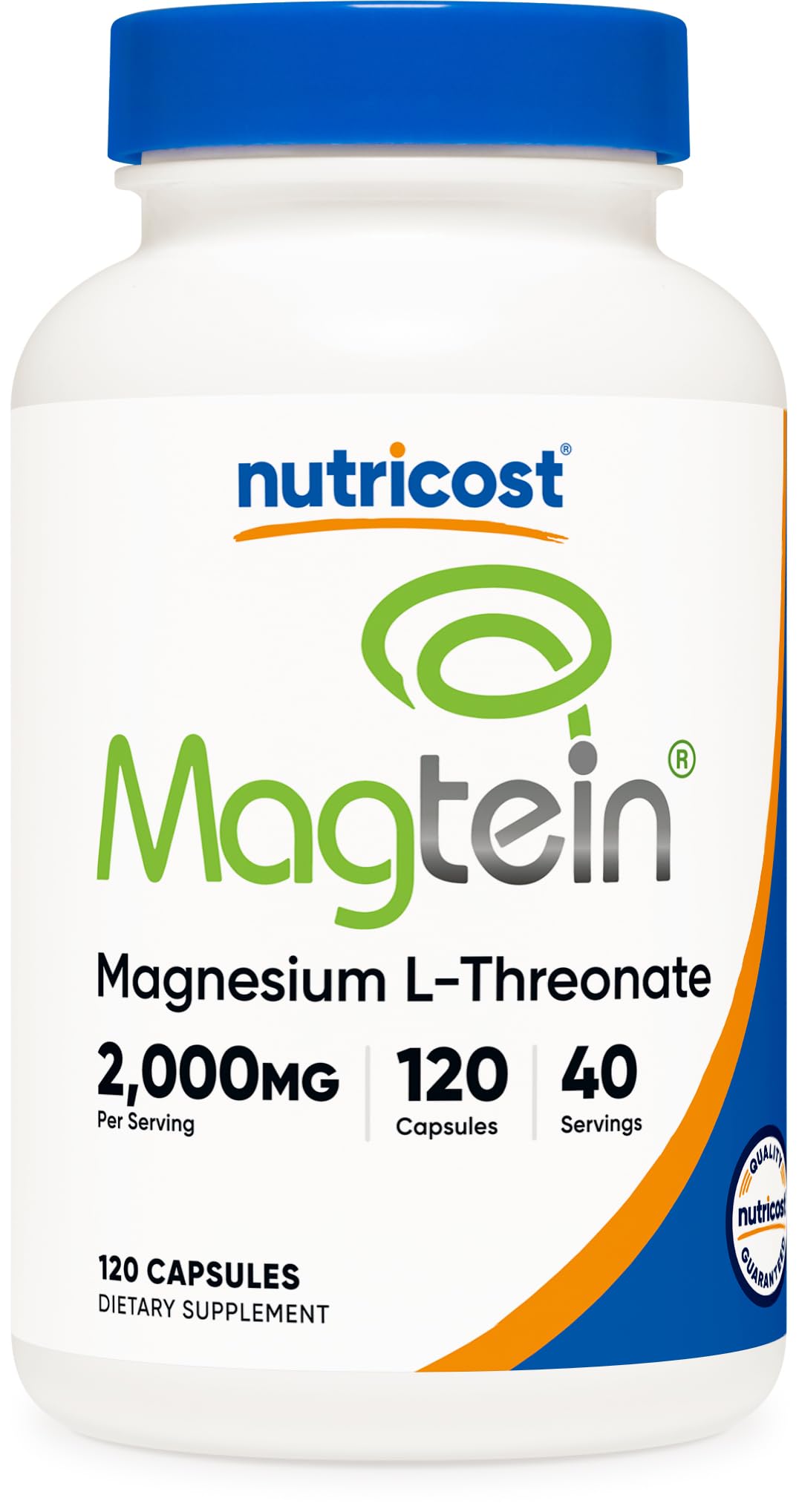
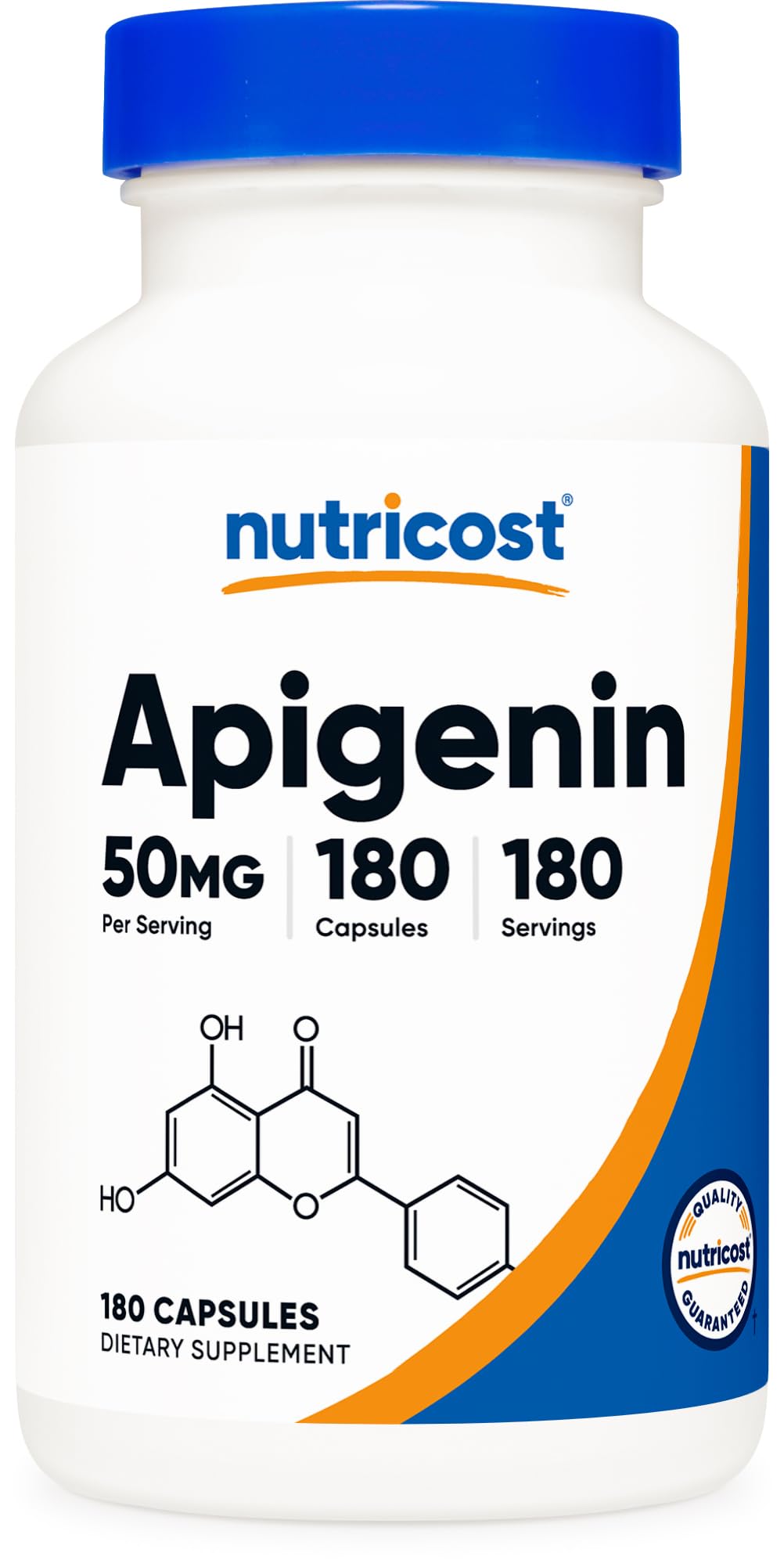
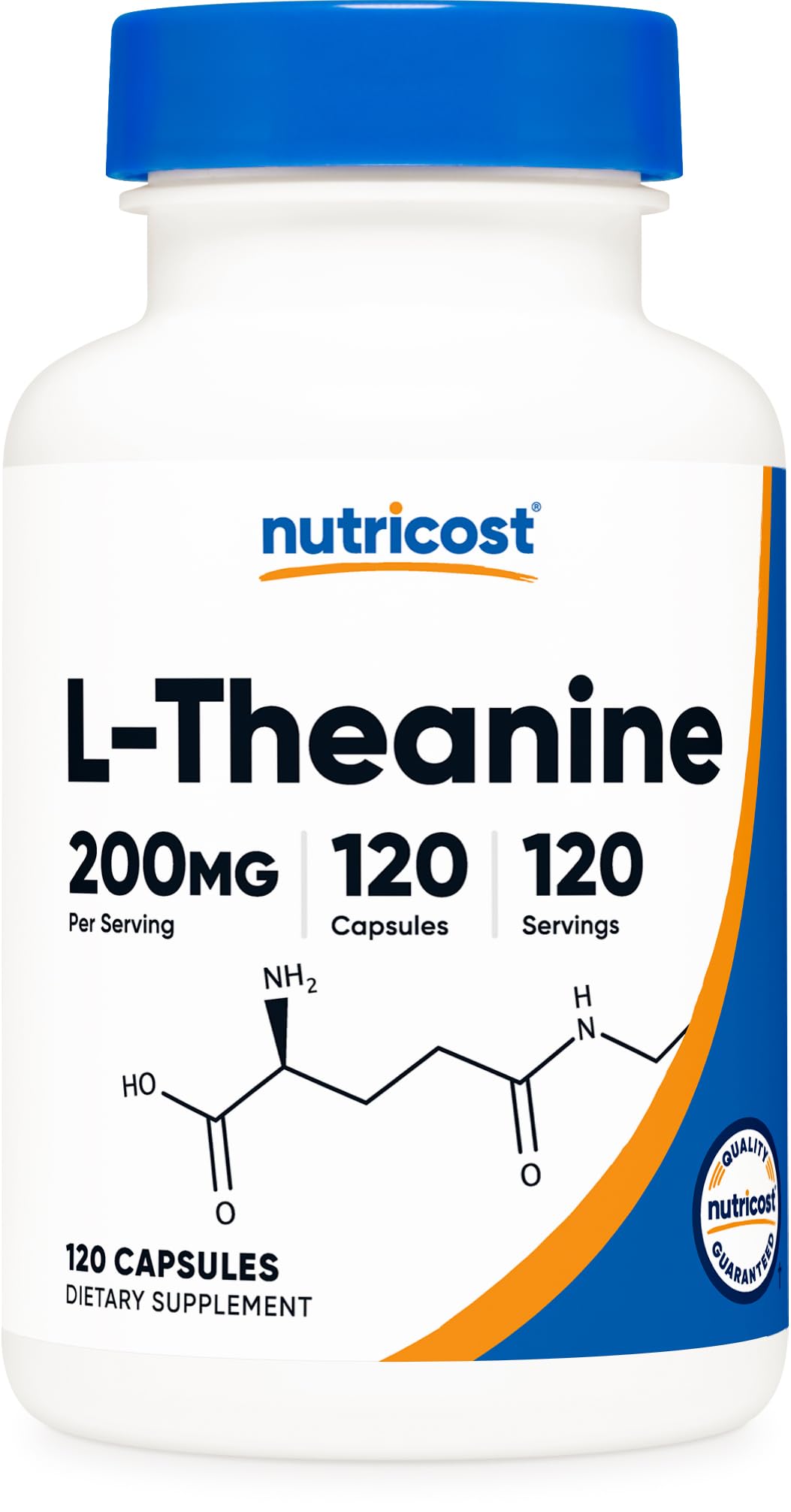
His evening supplement stack supports sleep onset and quality. He rotates protocols depending on stress and sleep quality, using magnesium threonate or glycinate, apigenin from chamomile extract, and low-dose theanine on most nights.
The System
Huberman's routine is built around one core idea: the nervous system controls everything. His protocols target light, temperature, movement, and nutrition as levers that directly regulate the brain's neurochemistry.
He is not optimizing for aesthetics or performance metrics alone. He is optimizing for mood, focus, and longevity as the primary outcomes. The result is a system any person can adapt, scale, and personalize to their own biology and schedule.
Explore Similar Routines

Beyond the daily foundation, Huberman cycles a set of secondary supplements, vitamin D3 with fat in the morning, ashwagandha only during high-stress stretches, creatine for strength and cognition, and a cycled tongkat ali / fadogia agrestis pairing for hormonal support.